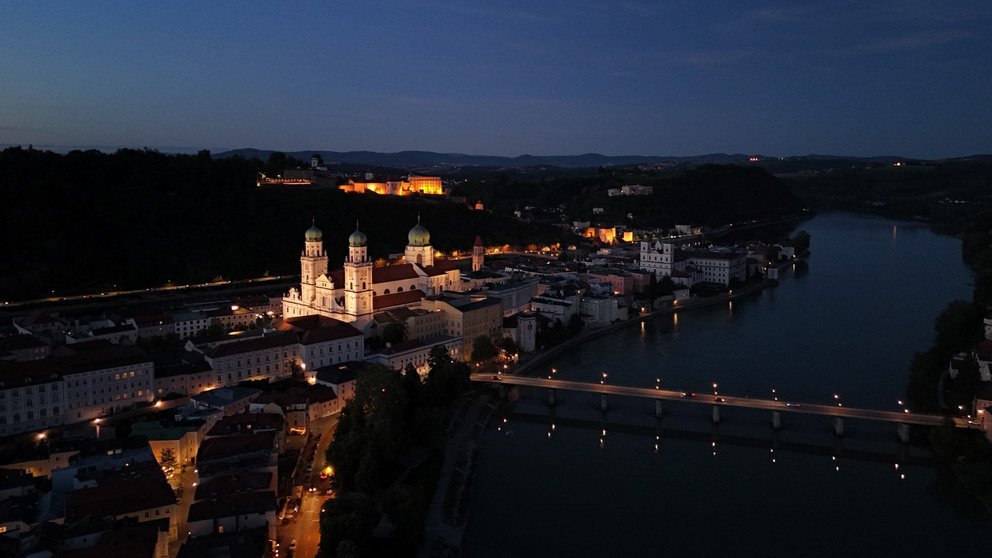
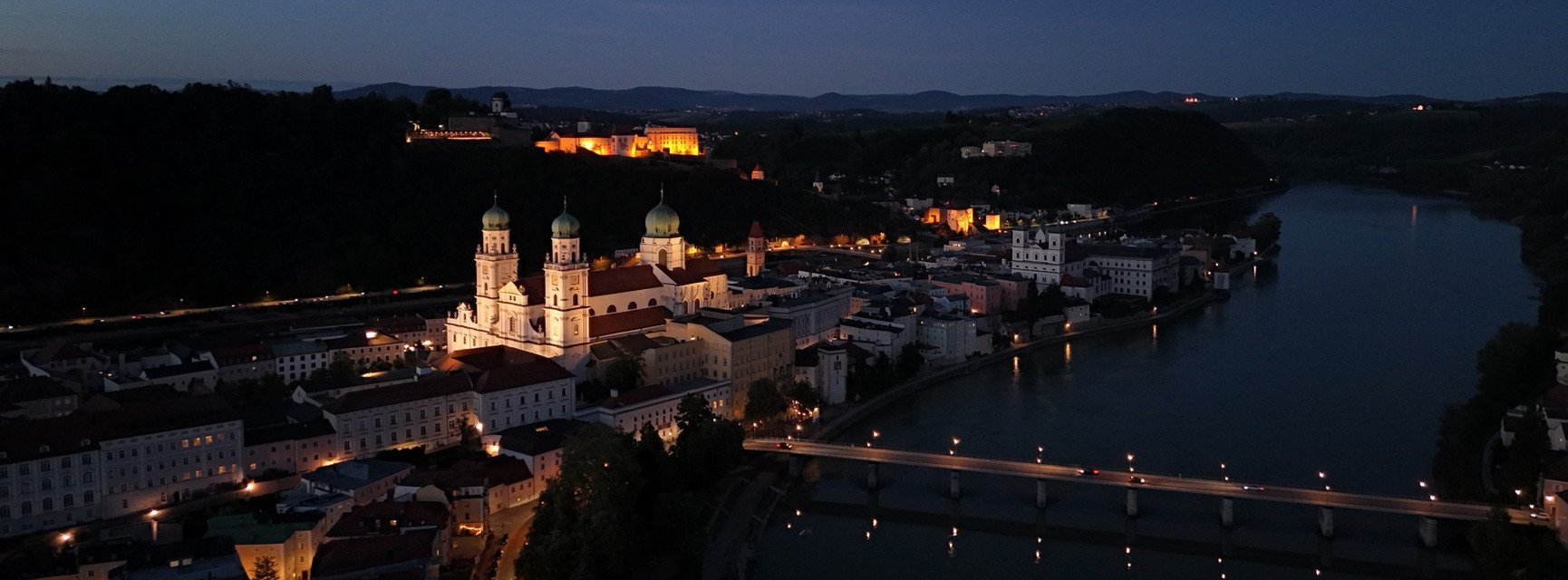
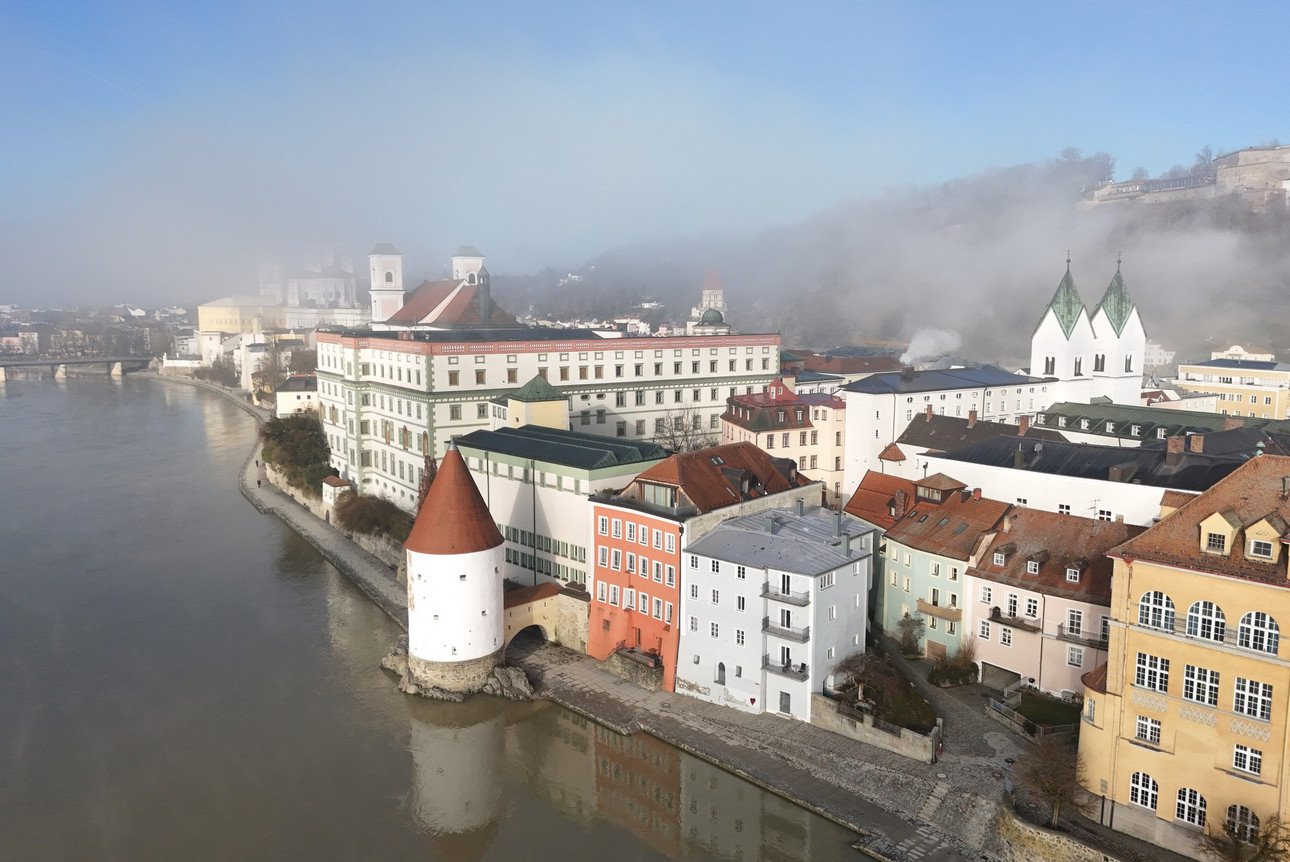
Passau, known as the "City of Three Rivers" at the confluence of the Danube, Inn, and Ilz, boasts a history spanning over 2,000 years.
![[Translate to Englisch:] Blick auf die Passauer Ortsspitze](/fileadmin/_processed_/b/1/csm_RS29622_100_039-Var1-Sky_Panorama_screenshot-lpr_d8b3c4b1eb.jpg)
Ancient Origins
Roman settlement began around 50 AD with the camp Castra Batava (or Boiodurum), serving as a key outpost in Noricum province after Celtic habitation. The site featured baths, temples, and trade links to places like Regensburg.
Medieval Power
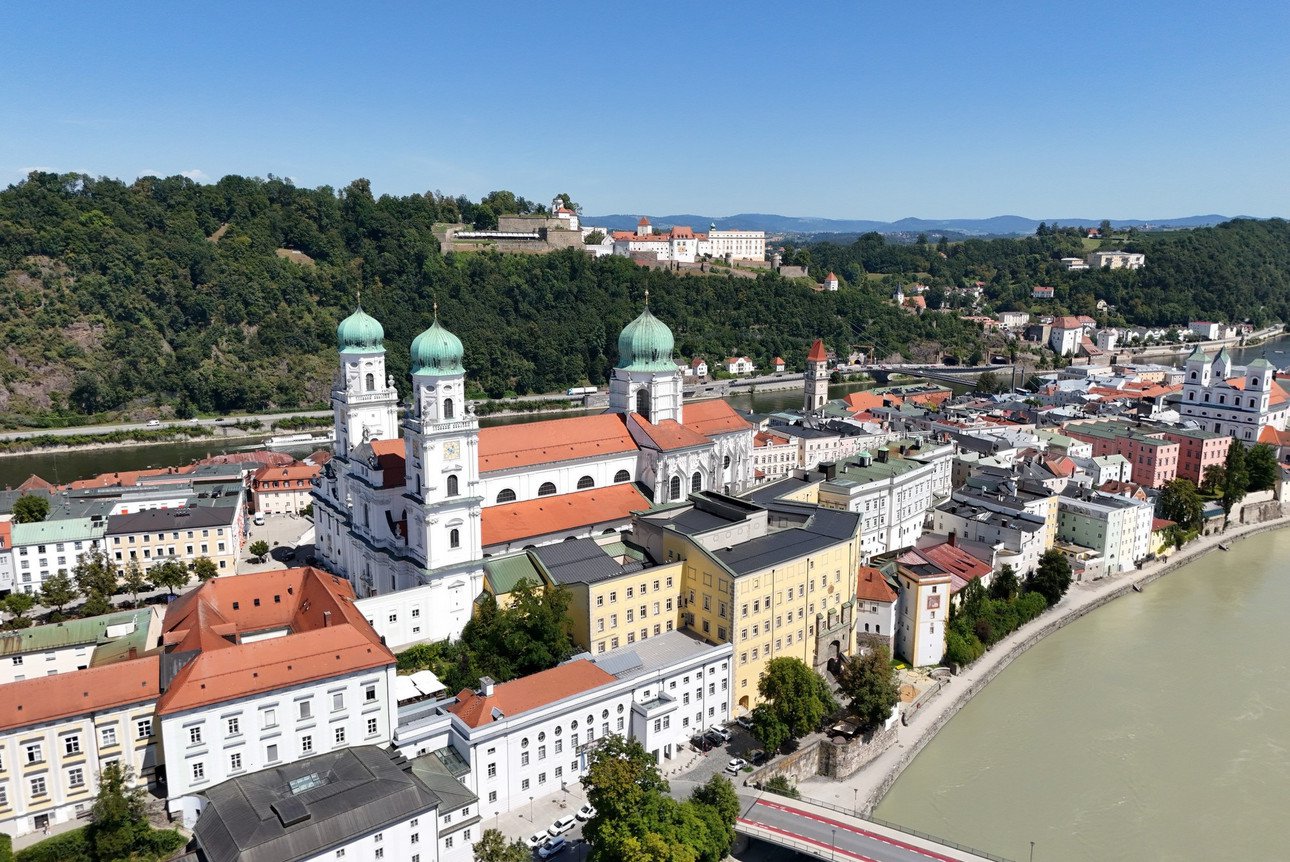
In 739, St. Boniface established the Diocese of Passau, which grew into the Holy Roman Empire's largest, ruled by influential Prince-Bishops from 1217. Veste Oberhaus fortress, built in 1219, symbolized their authority and defended against citizen revolts.
Baroque Rebirth
A 1662 fire razed much of the city, leading to Italian-influenced Baroque reconstruction, including St. Stephen's Cathedral with its massive organ. Secularization in 1803 ended bishopric rule, integrating Passau into Bavaria.
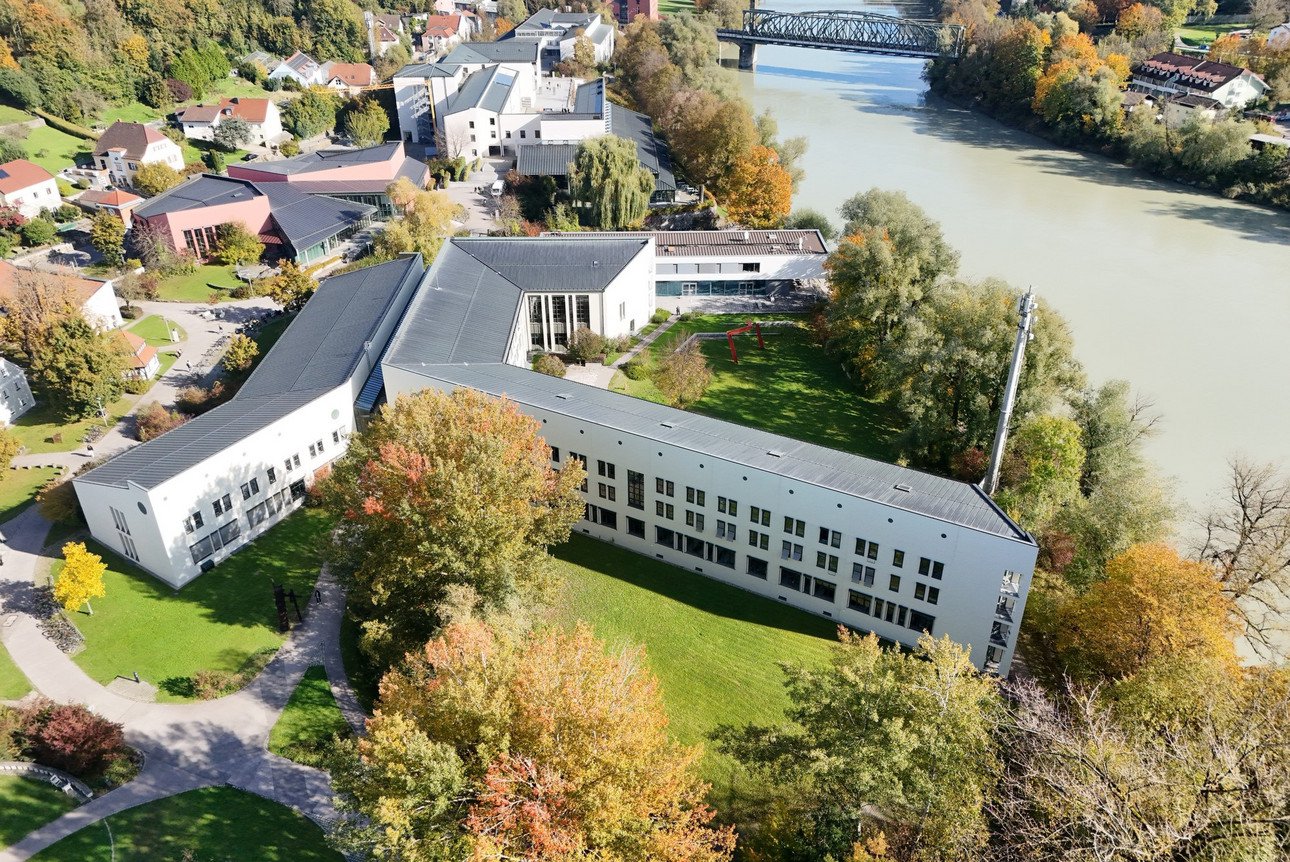
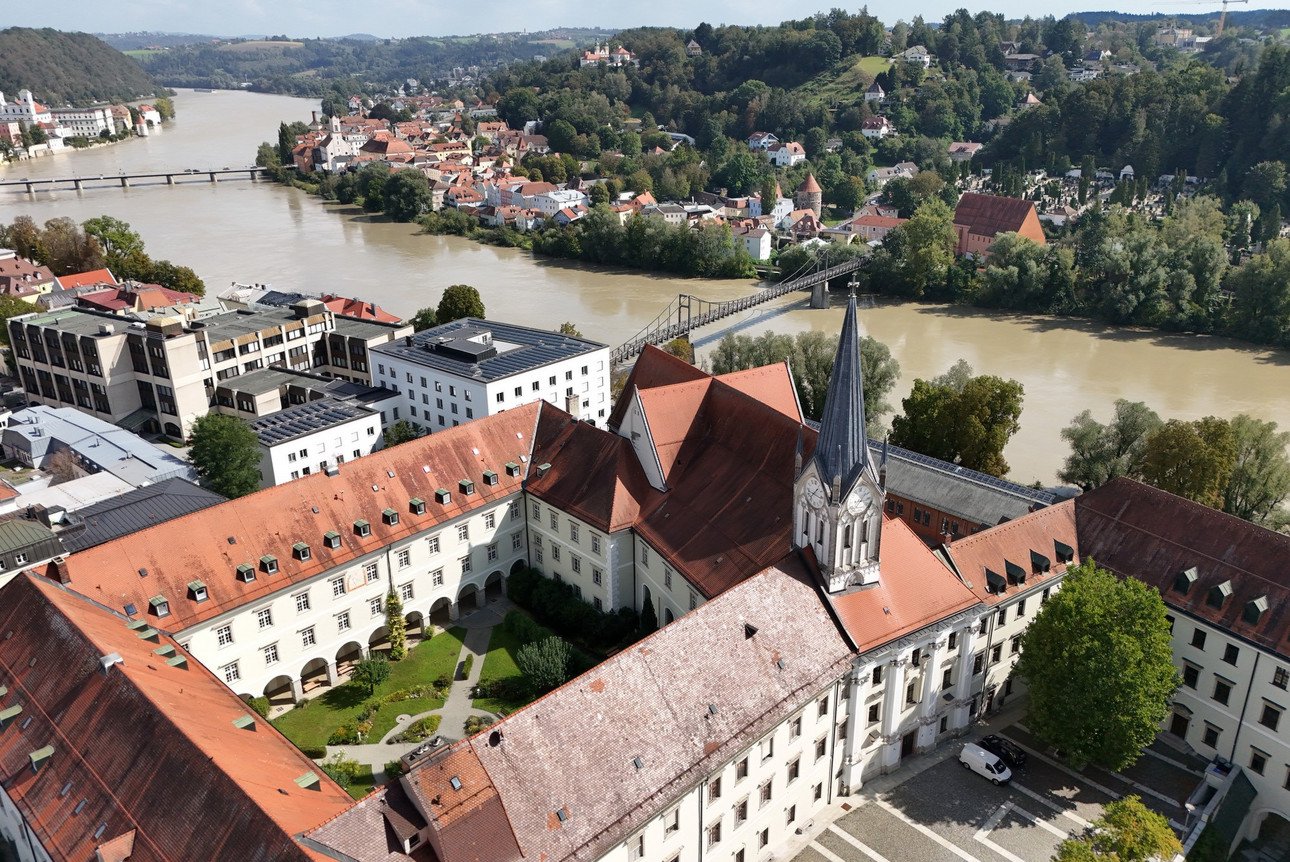
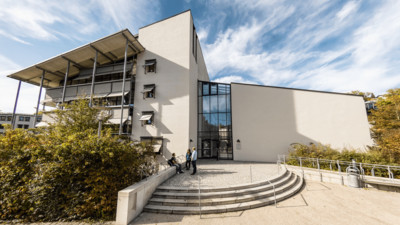
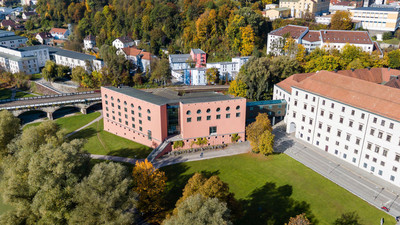
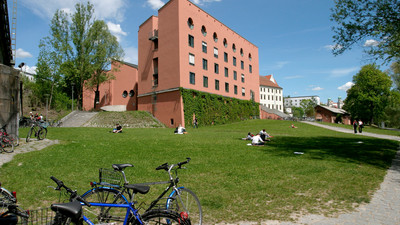
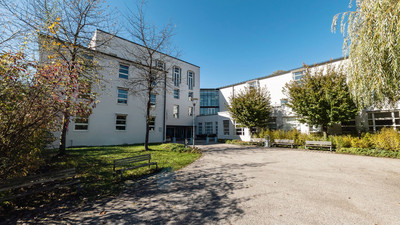
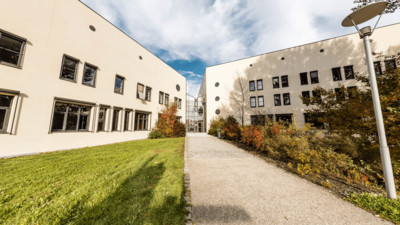
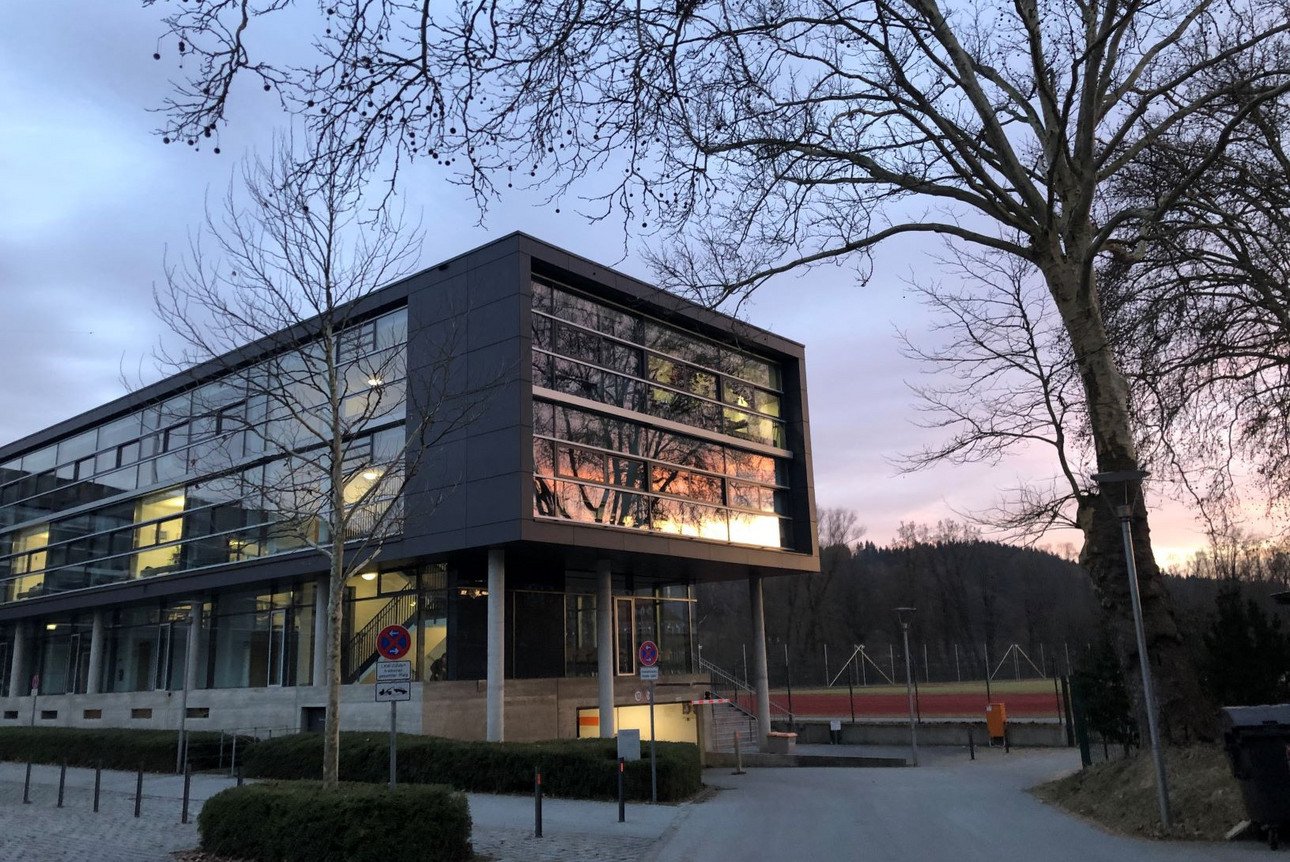
The University of Passau, founded in 1973, is Bavaria's youngest university and features one of Germany's most modern, compact campuses along the Inn River.
Founding and Growth
Established by the Bavarian State Parliament, it traces roots to a 17th-century Catholic studies institute, evolving into a full university with over 13,000 students from 100+ countries today. Four faculties—Law, Business/Economics/Information Systems, Arts/Humanities, and Computer Science/Mathematics—offer 39 programs focused on digitalization, sustainability, and Europe.
Campus Highlights
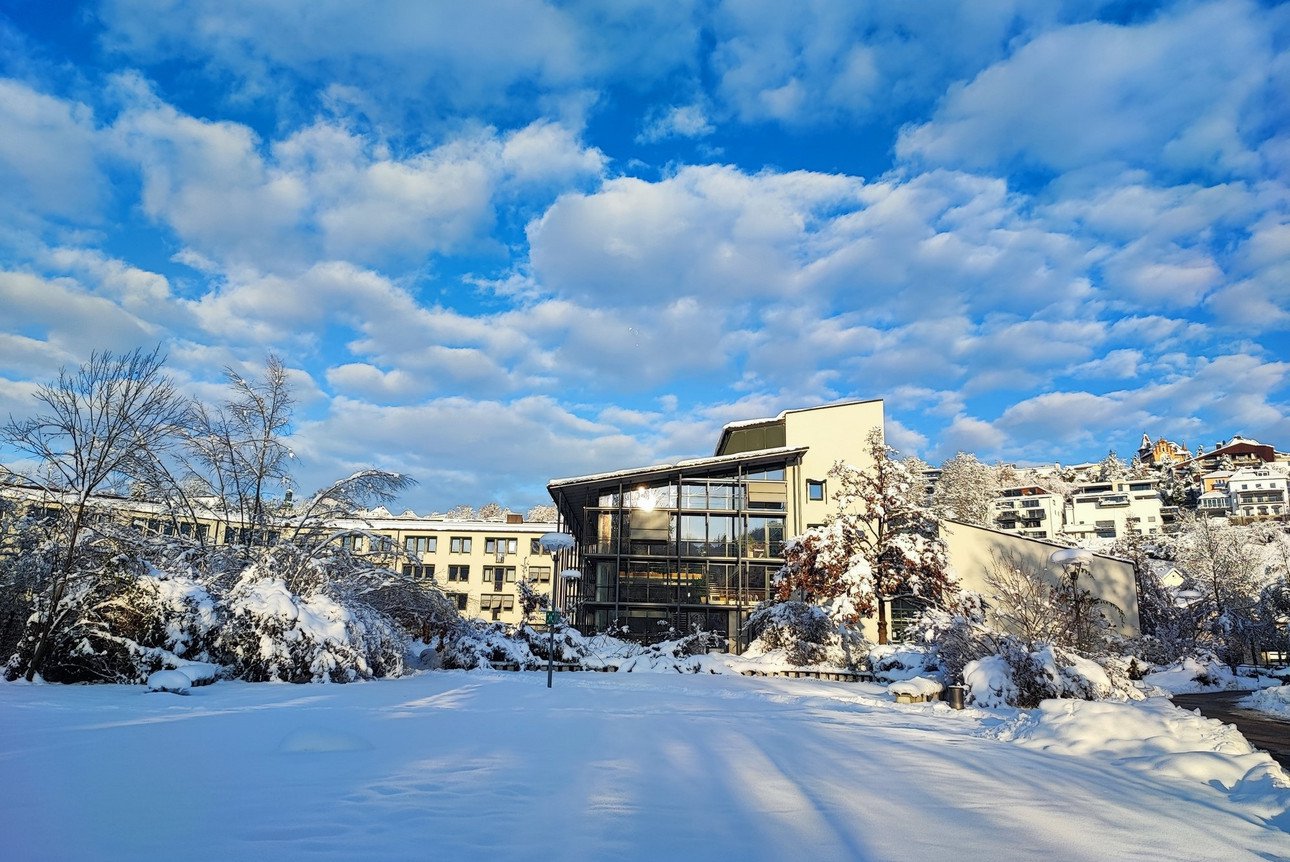
The single-street campus integrates historic Nikolakloster (c. 1070, now Language Centre) with modern buildings like the ITZ and 2014 Media Centre, steps from Passau's old town. It boasts a central library with 2 million volumes and strong interdisciplinary ties.